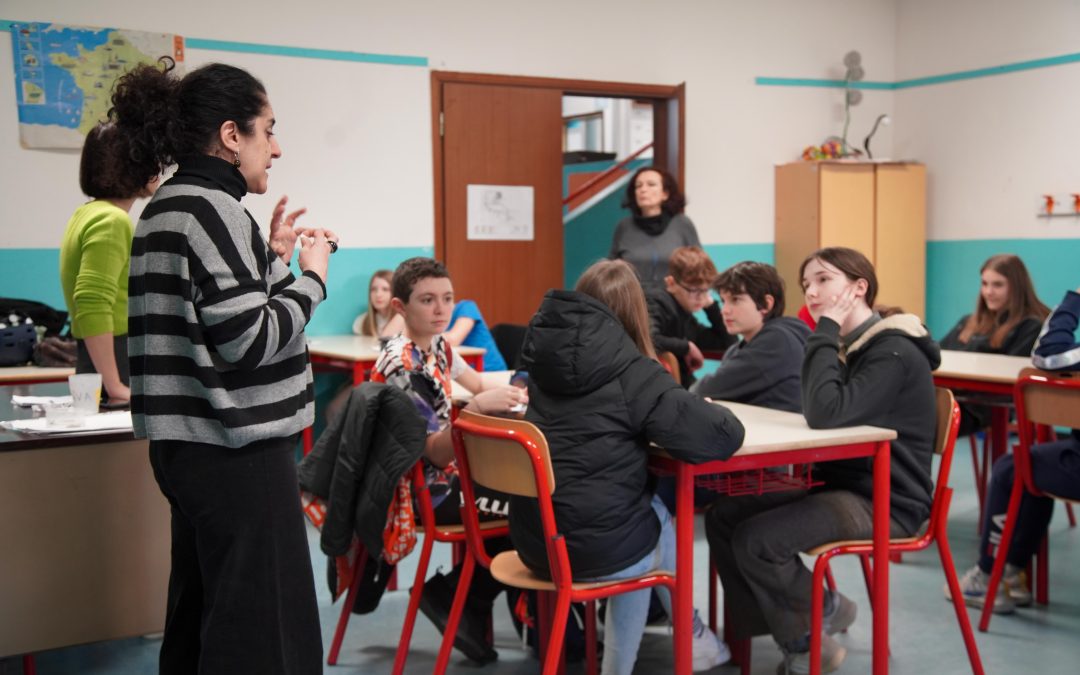
As part of the ASAP Educational Programme, developed within the Erasmus+ project A Systemic Approach to Social Media and Preadolescents through Thinking Skills Education, each Learning Unit supports the development of key competences for preadolescents navigating the digital age. Among them, the Power of Questions Learning Unit is fundamental. It reminds us that curiosity, when guided by critical thinking, can be one of the most powerful tools for learning and growth.
Preadolescents are naturally curious: they wonder about the world, challenge adults, and question rules. But in an environment dominated by fast-paced social media feeds and overwhelming information, the skill of asking meaningful questions often risks being lost. The Power of Questions unit aims to protect and cultivate this natural curiosity, showing young people how inquiry can help them learn, connect with others, and avoid manipulation online.
Why Questions Matter?
Questions are the foundation of knowledge. Scientists, journalists, educators, and thinkers all rely on questioning to expand understanding. For preadolescents, questions are not only about finding facts but also about exploring perspectives, testing assumptions, and starting conversations.
On social media, however, content is designed to provide quick answers or to feed users with ready-made opinions. This environment can discourage children from thinking deeply or formulating their own questions. Instead, they may adopt views passively, or focus on surface-level information. The Power of Questions Learning Unit addresses this by creating safe and structured spaces for kids to practise asking — and valuing — good questions.
What the Learning Unit Contains
The Power of Questions Learning Unit combines reflection, practice, and dialogue. Its activities help preadolescents to understand different types of questions and to use them effectively.
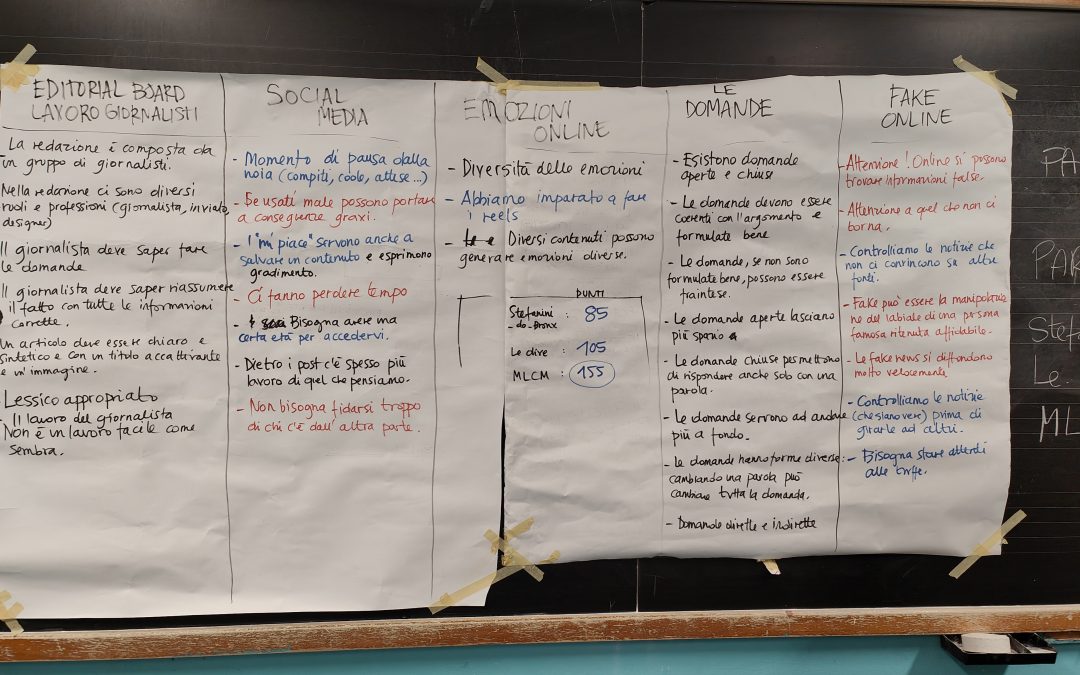
- Distinguishing types of questions: Students learn the difference between open and closed questions, factual and opinion-based questions, neutral and leading ones. This awareness allows them to see how different kinds of inquiry generate different types of answers.
- Exploring facts and opinions: By analysing examples from media and everyday life, kids practise recognising when a statement is fact-based and when it reflects a subjective point of view. They learn that questions can be used to test credibility and encourage clarification.
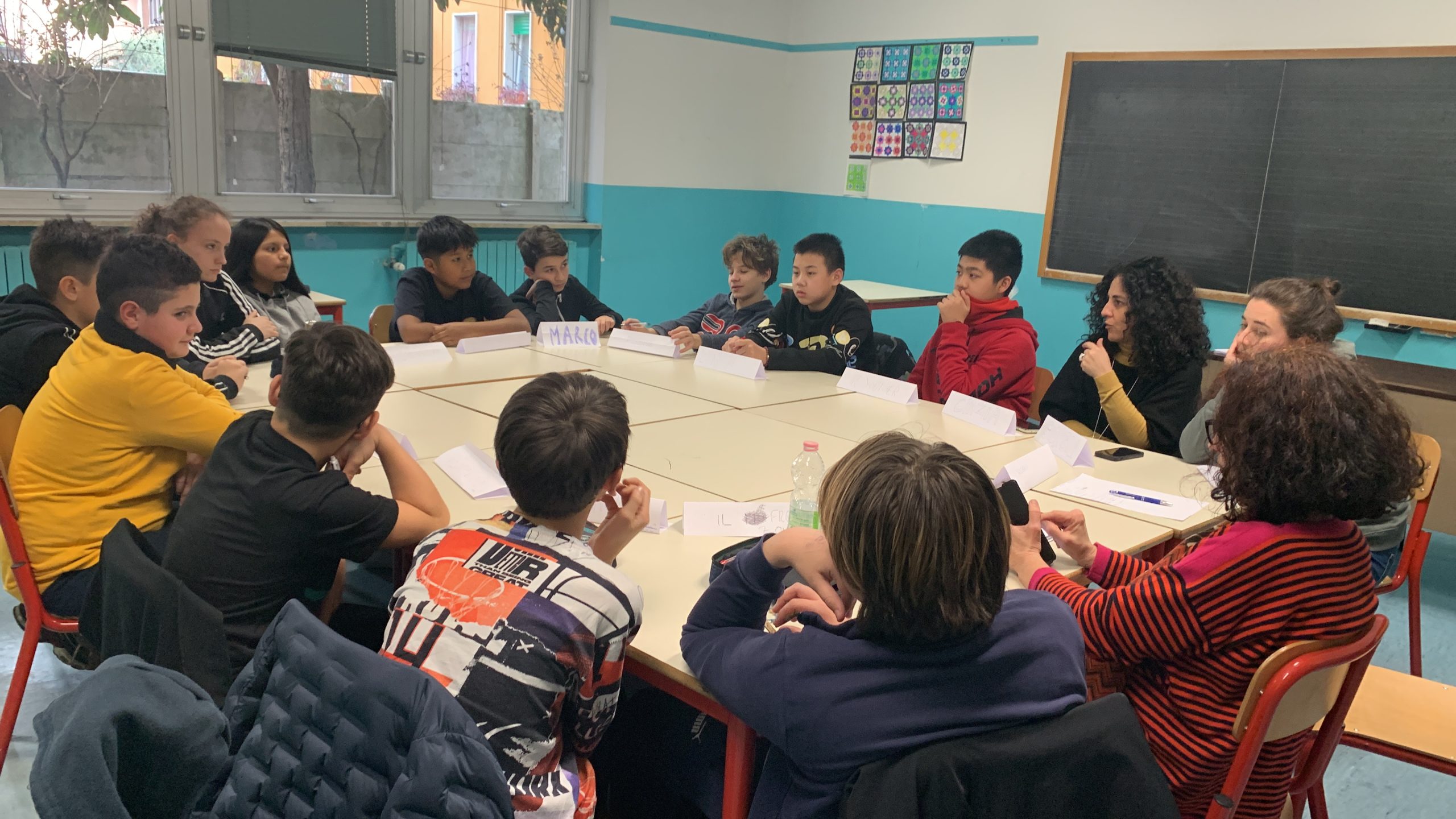
- Interview practice: Students prepare and conduct interviews, discovering how open-ended questions invite dialogue while closed questions limit it. This activity strengthens listening skills and empathy.
- Debate and role play: Through group debates, children test how questions shape discussions. For example, a neutral question can open space for different views, while a biased one can shut dialogue down.
- Self-reflection: Finally, participants are encouraged to reflect on their own questioning habits: Do they usually ask why, what if, or how? Or do they stop at yes/no answers?
These activities are playful and interactive, but they are also designed to show how questioning is central to critical thinking and communication.
Key Competences Developed
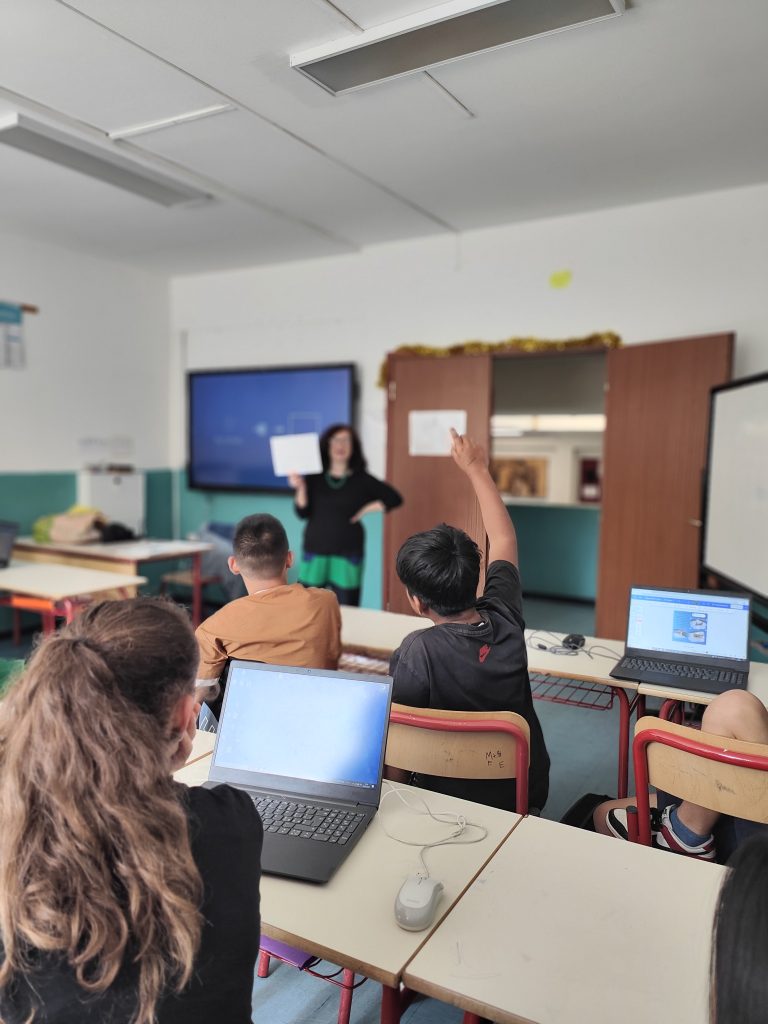
The Power of Questions unit builds competences that are crucial for lifelong learning:
- Critical thinking: Learning to use questions as tools to test information, evaluate credibility, and challenge assumptions.
- Communication: Understanding how to ask questions that foster dialogue and respect, while recognising the impact of tone and framing.
- Empathy and collaboration: Listening to others’ answers with openness, which helps to build trust and understanding.
- Self-awareness: Reflecting on one’s own habits of inquiry and how curiosity influences learning.
- Digital literacy: Recognising how questions can help to navigate digital information, for instance when evaluating a source or fact-checking a claim.
These competences directly contribute to the broader aims of ASAP: equipping preadolescents with tools to face the challenges of social media with awareness and resilience.
Why This Learning Unit Is Important
In preadolescence, children are forming their own voices and identities. Questions give them the confidence to express doubts, explore new ideas, and challenge stereotypes. But without guidance, their questions can remain superficial or be silenced by peer pressure and the fast pace of digital communication.
This Learning Unit ensures that curiosity becomes a structured strength rather than a lost opportunity. By practising different types of inquiry, children realise that not all questions are equal — some open doors, others close them. They also understand that asking questions is not a sign of ignorance but a pathway to deeper understanding.
In the online context, this is particularly important. Questioning the reliability of information, the motives of an influencer, or the design of a platform can protect children from manipulation and help them make informed choices.
Expected Impact
By the end of the Power of Questions Learning Unit, students will:
- Be able to distinguish different kinds of questions and their effects.
- Use questions to separate facts from opinions.
- Conduct simple interviews, showing active listening and empathy.
- Understand the role of questioning in dialogue, debate, and decision-making.
- Apply inquiry skills to digital contexts, such as evaluating social media posts or news.
The expected impact is twofold. On an individual level, children become more confident, curious, and reflective. On a community level, classrooms and families gain a culture of dialogue where questions are valued as tools for growth rather than interruptions.
In a society that often rewards fast answers, this unit teaches the value of slowing down, reflecting, and daring to ask: Why?