Within the ASAP Educational Programme, developed under the Erasmus+ project A Systemic Approach to Social Media and Preadolescents through Thinking Skills Education, each Learning Unit is designed to strengthen critical thinking, media literacy, and self-awareness in young people. One of these units, Role Models, focuses on the figures who inspire children and teenagers in their daily lives. Whether online or offline, role models play a crucial role in shaping identity, influencing behaviour, and guiding choices. In today’s digital landscape, where influencers and celebrities are just a click away, helping preadolescents to reflect on the impact of role models is more important than ever.
The Role Models Learning Unit offers educators, parents, and communities a structured path to explore this theme with children. It helps them to examine who their role models are, why they admire them, and how to distinguish between positive inspirations and misleading examples. In this way, the unit becomes a tool for empowering students to consciously choose figures of reference that promote growth, respect, and responsibility.
Why Role Models matter?
Every young person looks up to someone. These figures can be family members, teachers, peers, athletes, artists, or online influencers. Role models serve as mirrors and guides: children project their aspirations onto them and imitate their actions, consciously or unconsciously. A role model can encourage positive behaviours such as perseverance, kindness, and creativity, but can also reinforce unhealthy stereotypes, risky behaviours, or unrealistic expectations.
In the digital world, the influence of role models is amplified. Platforms like Instagram, TikTok, or YouTube make it easy for preadolescents to follow the lives of celebrities and micro-influencers, often without questioning the values or intentions behind the content they share. This makes it vital to equip children with the ability to critically assess who they look up to, and why.
The Role Models Learning Unit addresses these challenges by creating spaces for reflection and discussion. It does not dictate who the “right” or “wrong” models are, but helps children to develop their own criteria for evaluating the influence of others in their lives.
What the Learning Unit Contains
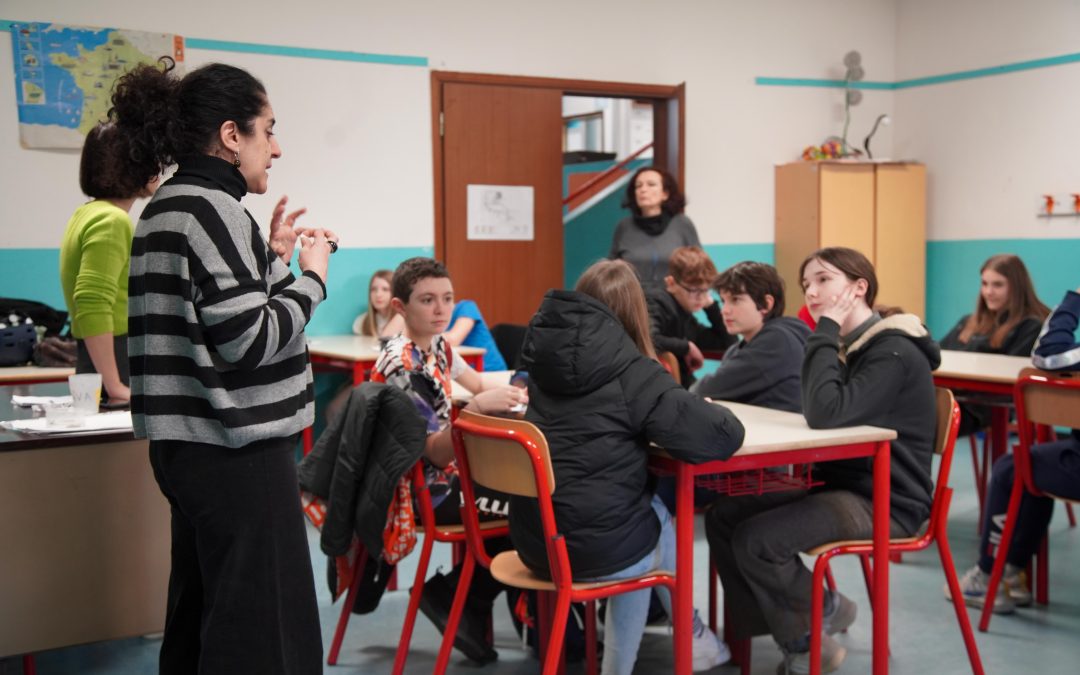
The Role Models Learning Unit is built around interactive activities that engage preadolescents in self-reflection and dialogue. Key elements include:
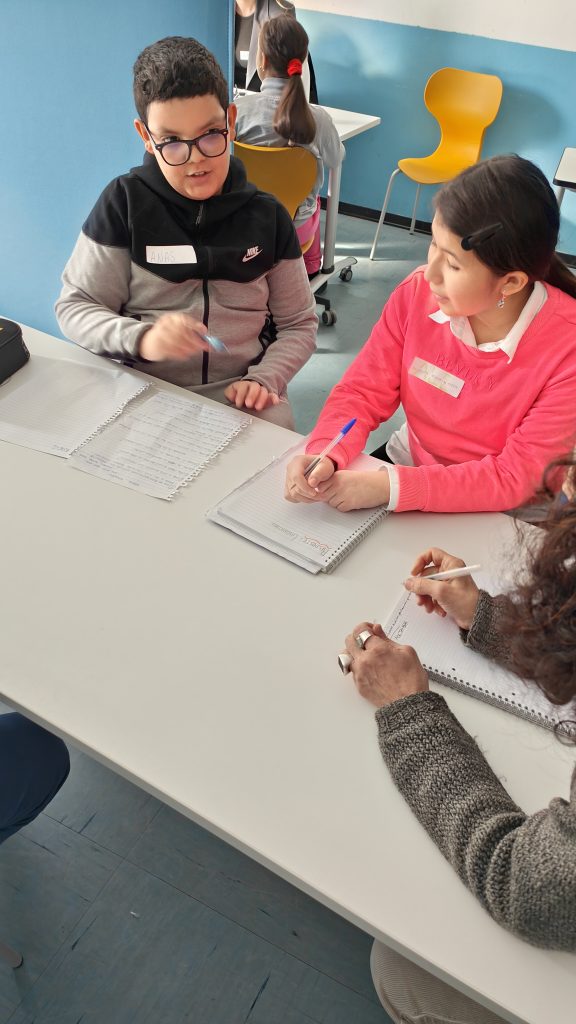
- Identifying personal role models: Students are invited to think about the people they admire, both online and offline. They can draw, write, or create visual maps of their role models, noting the qualities they associate with each figure.
- Analysing values and behaviours: Through group discussions and guided reflection, children examine why they admire these people. Is it for their achievements, their personality, their appearance, or their lifestyle? This helps them to distinguish between superficial admiration and deeper values.
- Questioning stereotypes: The unit encourages participants to challenge stereotypes often promoted by media or peer culture. For example, is success only linked to fame and money, or can it also be about kindness, resilience, and responsibility?
- Exploring influence: Students consider how role models affect their own choices. Do they inspire healthy habits, critical thinking, and self-confidence, or do they generate pressure and unrealistic expectations?
- Becoming role models themselves: Finally, the activities highlight that each child has the potential to be a role model for others. By reflecting on their own behaviour, they realise how their actions can inspire siblings, classmates, or friends.
The Learning Unit integrates creative methods such as storytelling, visual mapping, and group debate. It promotes active participation and ensures that children not only talk about role models but also connect the discussion to their everyday experiences.
Key Competences Developed
The Role Models unit contributes to several competences outlined in the European LifeComp framework:
- Personal competences: Self-awareness, the ability to reflect on personal values, and the recognition of one’s own potential to inspire others.
- Social competences: Communication, empathy, and the ability to respect diverse perspectives when discussing admired figures.
- Learning to learn: Critical thinking, questioning assumptions, and evaluating information about role models, especially those in digital contexts.
- Digital competences: Awareness of how social media platforms amplify the visibility of influencers and shape perceptions of authority and success.
By combining these competences, the unit empowers children to navigate their social and digital environments with greater awareness and independence.
Why this Learning Unit is important
The Role Models unit speaks directly to one of the biggest challenges of preadolescence: identity formation. At this age, children are experimenting with who they are and who they want to become. They are highly influenced by peers and external figures, making role models a central theme in their development.
In the context of social media, this influence becomes more complex. Children may compare themselves to carefully curated online personas, leading to unrealistic expectations and self-doubt. At the same time, they may also encounter positive examples of activism, creativity, or resilience that inspire them to act responsibly. The Learning Unit helps students to navigate this tension, guiding them towards healthier interpretations and choices.
Expected impact
By the end of the Role Models Learning Unit, students will:
- Have identified and reflected on their personal role models.
- Be able to articulate the values they admire and evaluate their impact critically.
- Recognise stereotypes and challenge simplistic definitions of success.
- Understand their own potential to act as role models in their communities.
The expected impact goes beyond individual awareness. It extends to classrooms, families, and communities by promoting dialogue about values, identity, and influence. Teachers and parents who participate in the activities also gain insights into how young people think and who they look up to, opening opportunities for deeper connection and guidance.
The Role Models Learning Unit of the ASAP Educational Programme is more than just a set of classroom activities. It is an opportunity to empower preadolescents to think critically about the figures who inspire them, to connect admiration with values, and to realise their own role in shaping the world around them.