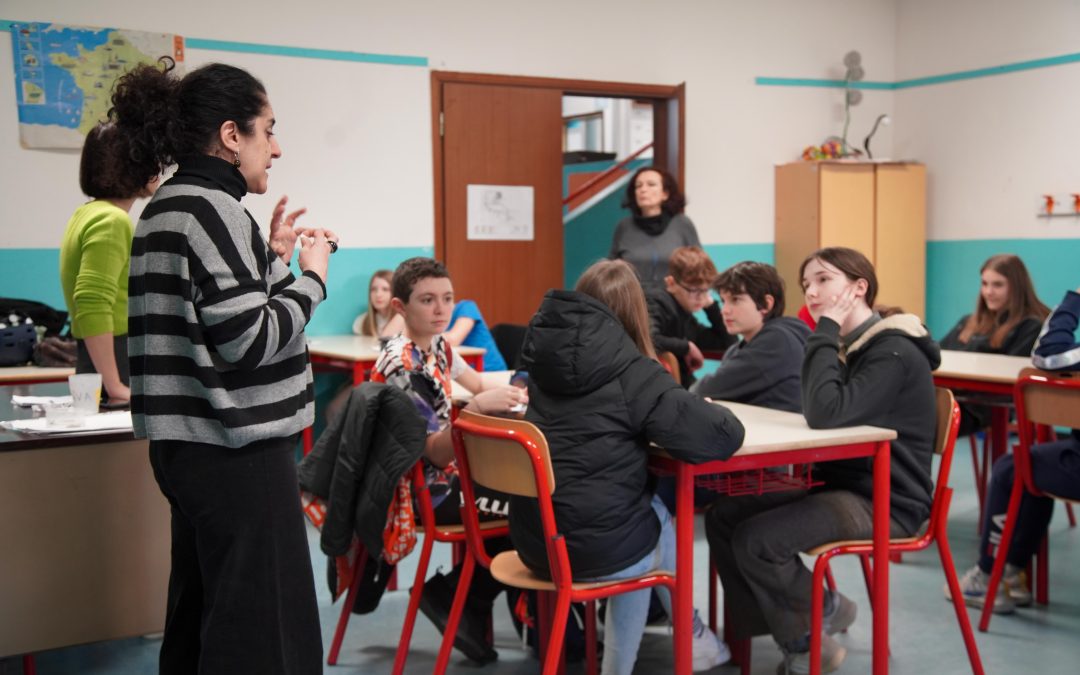
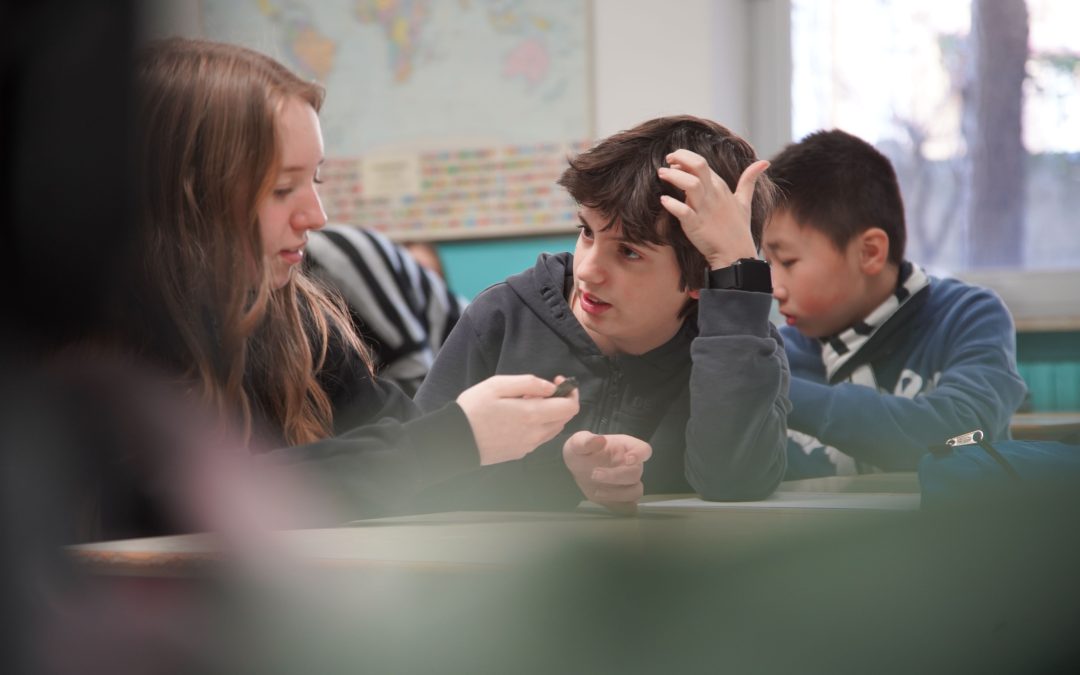
The ASAP Educational Programme, created within the Erasmus+ project A Systemic Approach to Social Media and Preadolescents through Thinking Skills Education, helps preadolescents develop critical thinking, resilience, and media literacy. Among its Learning Units, Authenticity & Authority tackles one of the most urgent challenges of the digital age: identifying reliable information in a world full of fake news, manipulated content, and misleading sources.
Children today grow up in an environment saturated with information. News feeds, influencers, memes, and viral videos all compete for their attention, often blurring the line between truth and opinion, reality and fiction. Without proper tools, preadolescents risk becoming passive consumers of content or falling into misinformation traps. The Authenticity & Authority Learning Unit equips them to think critically, fact-check actively, and build awareness of what trustworthy communication looks like.
Why Authenticity and Authority Matter?
Every day, young people are exposed to countless claims: some informative, others persuasive, and some deliberately false. Social media platforms, with their algorithms and speed, spread both truth and misinformation in equal measure. This can influence children’s opinions, choices, and even their self-esteem.
Teaching preadolescents to question authenticity and authority means giving them the capacity to ask:
Is this true? Who is saying it? Why should I trust it?
Developing these habits is not only about protecting them from fake news but also about empowering them to become responsible digital citizens who can navigate the information ecosystem with awareness.
What the Learning Unit Contains
The Authenticity & Authority Learning Unit combines hands-on activities with critical discussion. It helps children distinguish between reliable and unreliable information and gives them strategies to verify what they see online.
- Understanding authenticity: Students explore what makes something authentic. Is it originality, truthfulness, or trustworthiness? They discuss examples of content that appears real but may be misleading.
- Recognising authority: Children learn to identify who is behind a piece of information. Is it a journalist, an expert, a company, or an anonymous account? They reflect on why source credibility matters.
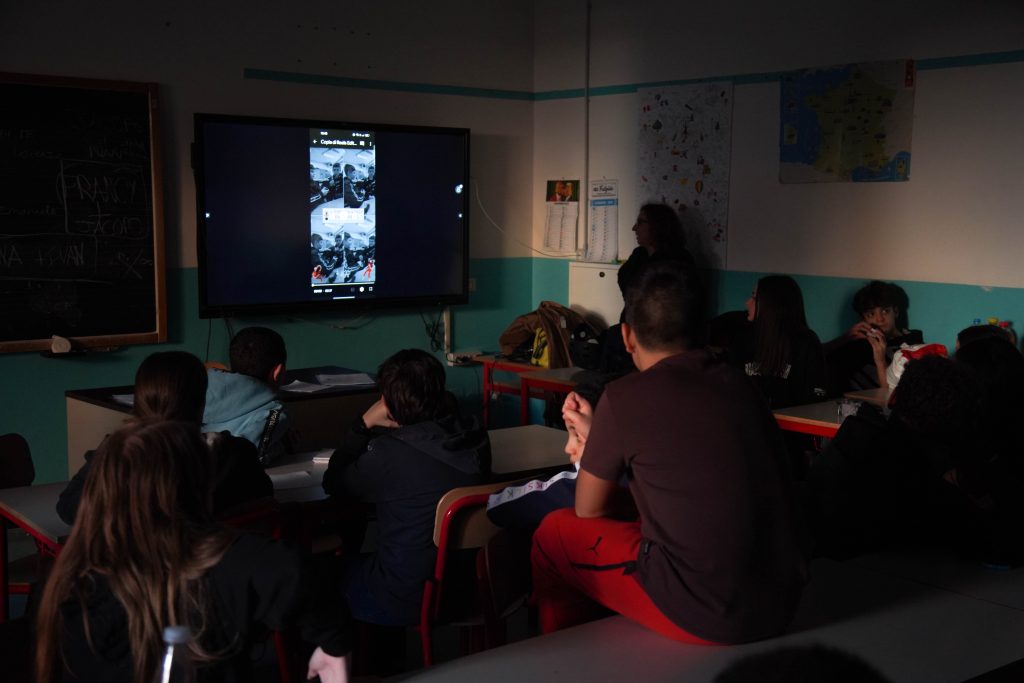
- Fact-checking activities: Through games and exercises, students practise checking news stories, images, or social media posts. They learn simple verification strategies such as cross-checking with other sources, analysing URLs, or using fact-checking websites.
- True or false games: The class divides into groups, with one group creating fake news and another group acting as fact-checkers. This playful approach helps children understand how easily information can be manipulated.
- Awareness campaigns: As a final step, students design posters, guides, or social media content to raise awareness among peers and families about spotting misinformation.
By combining theory with practice, the unit ensures that students do not only talk about fake news but also experience how misinformation spreads and how it can be challenged.
Key competences developed
The Authenticity & Authority unit builds essential competences for navigating the digital world:
- Critical thinking: Evaluating sources, claims, and credibility.
- Media literacy: Understanding how information is produced, shared, and manipulated.
- Problem-solving: Applying fact-checking strategies to real-life digital situations.
- Collaboration: Working in teams to create awareness campaigns and debate reliability.
- Civic responsibility: Recognising the importance of truth and authenticity for democratic participation.
These competences are central to the aims of ASAP: giving preadolescents the skills to engage with social media actively and responsibly, rather than passively.
Why this Learning Unit is important
The spread of fake news is one of the defining challenges of our time. While adults often struggle to discern reliable from unreliable sources, children are even more vulnerable because of their developmental stage and limited experience. Yet, they are also capable of learning strategies that protect them and empower them to think critically.
This Learning Unit is particularly relevant because it does not portray young people as helpless victims of misinformation. Instead, it positions them as active participants who can question, verify, and educate others. It gives them both the confidence and the responsibility to engage with information thoughtfully, a skill that will serve them throughout life.
Expected Impact
By the end of the Authenticity & Authority Learning Unit, students will:
- Understand what makes information authentic and why source authority matters.
- Practise distinguishing facts from opinions.
- Apply fact-checking techniques to digital content.
- Recognise the mechanisms behind misinformation and how it spreads.
- Create campaigns to raise awareness in their schools and communities.
The expected impact is not limited to individual competence. By producing awareness materials, students share their learning with peers, families, and communities, amplifying the project’s influence. This creates a ripple effect, where critical thinking about authenticity and authority spreads beyond the classroom.
By teaching preadolescents to verify information, recognise authority, and value authenticity, it helps them become resilient, critical, and responsible digital citizens.
In a society where misinformation can influence decisions at every level, empowering children with these skills is not only an educational priority but also a civic one.
The unit reminds us that authenticity and authority are not abstract concepts: they are the foundations of trust, dialogue, and democracy.